The Hidden Food Trends Shaping What We Eat in 2026

Food trends have always evolved alongside culture, but in 2026 the pace of change is faster than ever. What people eat is no longer driven purely by taste or convenience — it is shaped by health awareness, sustainability concerns, technology and shifting lifestyles. Beneath the surface, several powerful trends are quietly transforming the way food is produced, prepared and consumed.
One of the most significant shifts is the move towards health-focused eating. Consumers are becoming far more aware of how food impacts their energy levels, mental clarity and long-term wellbeing. Rather than following extreme diets, many people are adopting a more balanced approach, focusing on whole foods, natural ingredients and nutrient-dense meals. This aligns closely with insights explored in our Health category, where sustainable habits are replacing short-term solutions.
Convenience remains important, but it is being redefined. In the past, convenience often meant processed or fast food. Today, consumers expect quick options that are also healthy and well-balanced. This has led to the rise of ready-to-eat meals that prioritise nutrition, as well as meal kits that simplify cooking while maintaining quality.
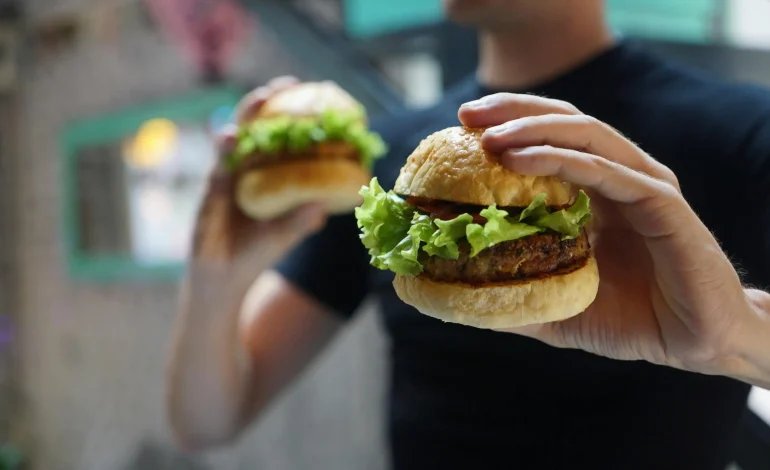
Technology is playing a major role in shaping these changes. Advances in food science are enabling the development of new products, including plant-based alternatives that closely mimic traditional meat and dairy. These innovations are not only expanding consumer choice but also addressing environmental concerns. As discussed in our Technology section, scientific and digital advancements are increasingly influencing industries that were once considered traditional.
Sustainability is another driving force behind modern food trends. Consumers are becoming more conscious of where their food comes from and how it is produced. This includes concerns about carbon footprints, food waste and ethical sourcing. As a result, there is growing demand for locally sourced ingredients, reduced packaging and environmentally friendly practices.
Global influences are also shaping food choices. Access to international cuisines has never been easier, and people are increasingly experimenting with flavours from different cultures. This has led to a more diverse and adventurous approach to eating, with fusion dishes and new ingredients becoming more common in everyday meals.
Another emerging trend is the concept of functional food. These are foods designed to provide specific health benefits beyond basic nutrition, such as improving digestion, boosting immunity or enhancing cognitive function. This reflects a broader shift towards food as a tool for improving overall wellbeing, rather than just satisfying hunger.
Lifestyle changes are also influencing eating habits. Busy schedules mean that people are looking for flexible options that fit into their daily routines. At the same time, there is a growing interest in slowing down and enjoying food as an experience. This balance between efficiency and enjoyment is a key theme in modern living, as explored in our Lifestyle category.
The rise of digital platforms has also changed how people discover and engage with food. Recipes, cooking techniques and food trends are shared widely online, making it easier for individuals to try new dishes and develop their skills. Social media, in particular, has played a major role in shaping food culture.
Despite all these changes, one thing remains constant — food is central to daily life. It brings people together, reflects cultural identity and plays a key role in overall wellbeing.
Looking ahead, the way we eat will continue to evolve as new technologies, environmental considerations and lifestyle trends emerge. Those who understand these shifts will be better positioned to make informed choices about what they eat and how they approach food.
Ultimately, the future of food is not just about innovation — it is about balance. Balancing health with convenience, sustainability with accessibility and tradition with change will define how we eat in the years to come.